The top number is only 60% of who they are
The number on top is the one that shows up most often. It's not the only one though. Six more sit underneath it and make up 40% of your child. We have to look at them holistically rather than one-dimension.
This is called Number Psychology. Here's how it works, where it came from, and what it can tell you.
There has never been more parenting advice available than there is right now. A lot of it is good but the problem is that advice gets written for the average child but each child is uniquely different. So it works beautifully on one kid but it might not work on another.
Two children can talk back for two completely different reasons because each one values different things. One of them values being acknowledged but didn't receive it while the other values connection.
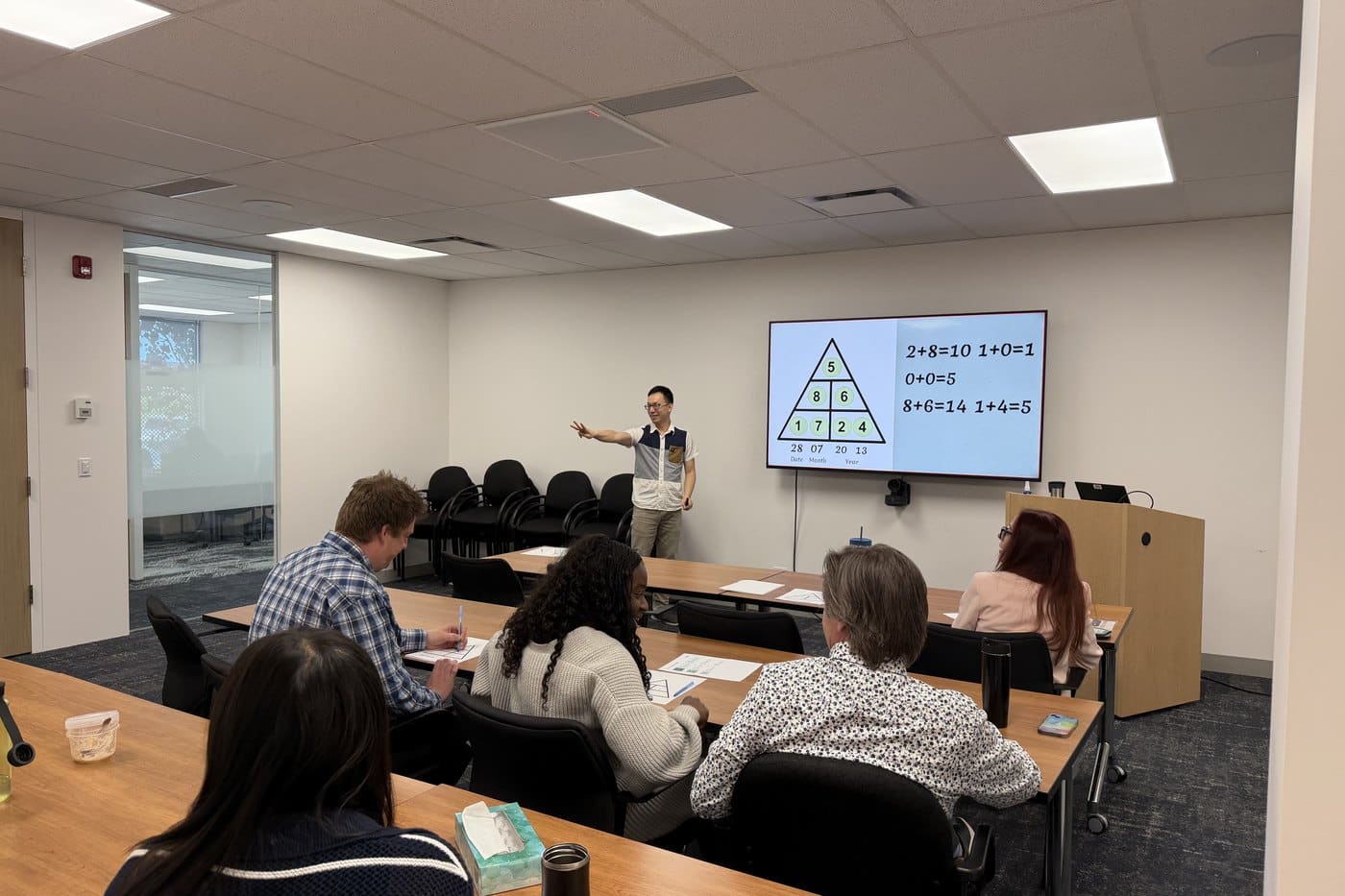
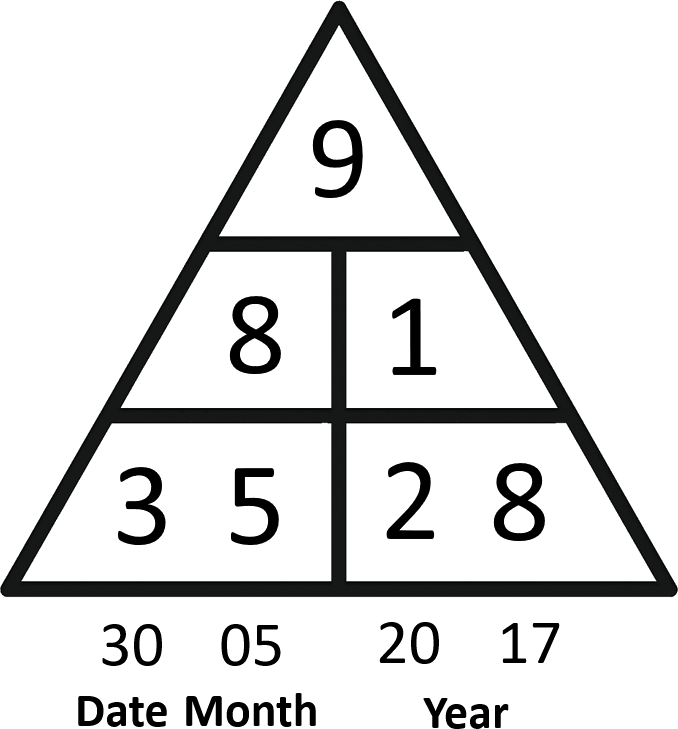
Number Psychology is a way of understanding people and what they fundamentally value and need. This isn't surface level stuff like whether someone is shy or likes to yap but the deep part underneath. What a person's hidden talents are, what they emotionally need from others, what triggers them, what helps them thrive.
We all know children are different from each other. The hard part is knowing exactly how. Your child's birthday shows you exactly that.
Using numbers to understand people started 2500 years ago with Pythagoras, the one who created Pythagoras' Theorem. What makes it useful today is everything that has been added since. As psychology grew, many psychological models were incorporated such as The Johari Window, Maslow's hierarchy of needs, and Virginia Satir's iceberg theory.
So this isn't fortune telling, and it has nothing to do with horoscopes. It's ancient wisdom about people that has been held up against modern psychology and kept its footing.


When your child talks back or melts down, that's the part we see which is the tip of the iceberg - the visible parts. Beneath the iceberg is what we can't see (Why they behave this way).
Every child has emotional needs that need to be met. Think of it like hunger. When you're hungry you get cranky and everything feels harder. The difference is you know what hunger feels like, so you can ask for a sandwich. Most kids can't do that yet, so it comes out as attitude instead.
And every child runs on different fuel. For one it's independence. For another it's companionship or acknowledgement.
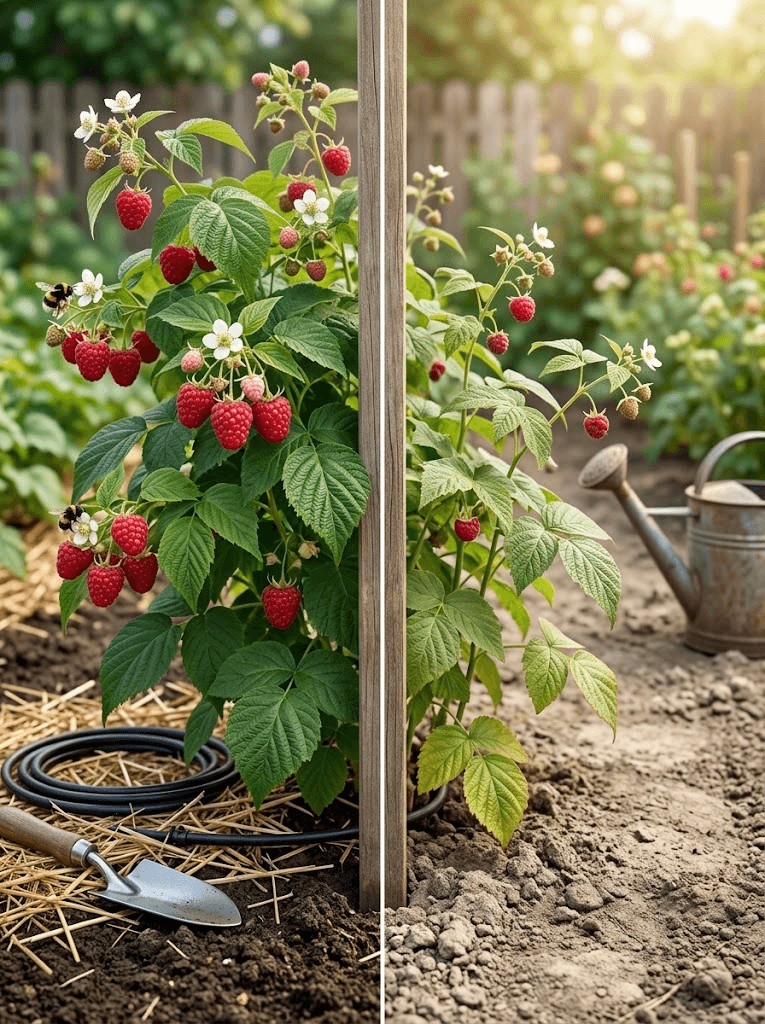
Think of each number as a seed. When you plant them, it doesn't mean you'll get the same level of harvest from it or the same plant. Now, if one seed had proper sunlight, water, good soil and human care, how well do you think it'll grow? Now think about if it didn't get that? The same seed, two different results.
Children are no different. Two children born on the same day or have similar numbers grow up in different homes, with different parents, hearing different things about themselves. They end up nothing alike.
So this was never about whether a description matches your child. The question worth asking is what kind of nourishment has your child been getting? And is this the correct nourishment they need?
If you read a description about a number and none of it sounded like your child, there are a few reasons behind it.
The number on top is the one that shows up most often. It's not the only one though. Six more sit underneath it and make up 40% of your child. We have to look at them holistically rather than one-dimension.
Like mentioned above, having a number doesn't mean you have every single trait about that number. It all depends what kind of nourishment this child received and how they grew.
The behavior we see is only the tip of the iceberg. Sometimes our perception of who we think our child is may be limited until we are able to shine a light on it. To see what's beneath the surface.
Understanding your child is pivotal to know how to provide the correct nourishment for your child. Each number has their own unique emotional need and when we can tailor our approach to suit them and their unique selves, they are able to flourish.
Instead of guessing, you know what your kid needs from you. You'll be able to provide love to them in a way that suits them.
You were never failing as a parent, you just didn't know what your child needs from you. You'll be able to bring the confidence you thought you lost.
A child who is able to receive what they need start to open up. They push back less, give less attitude and start to become closer to you.